
I was informed that I wouldn’t like Bogotá because there are finer cities, but I enjoyed my time there, which only implies that it gets better and better, considering this is my first stop in Colombia. You can easily spend a day just wandering the streets, conversing with locals, and taking in the sights in this city, which is brimming with art, diversity, and culture. It is not only beautiful but also inexpensive, possibly the most affordable country I have ever visited. I bought clothes, food, and accommodation for under £20 a day. (Yes, it’s inexpensive, but I discovered I’d have to get cash out around three times a week, and in this country, I went much over budget for no apparent reason.) Aside from confusing myself with the budget, there’s nothing not to like; people warned me about the risks and muggings, but I felt completely comfortable. The city itself is spread out and not at all overpowering, with excellent infrastructure that makes it simple to travel, here is how I spent 4 days in Bogota.
Hostels and community: I loved the sense of camaraderie as I wandered around the city on my first days in South America after arriving from Central America. Street vendors chatting with businessmen, large chess matches, with around 10 boards set up for friendly games at all hours of the day, there is music coming from different corners of parks, and random alpacas employed to promote tourism. I did, however, find it more difficult to meet people in Bogota because I did not stay in a Masaya or Viajero hostel, which is known for its sociability. Instead, I stayed at the Granada Hostel, which is a nice hostel with wonderful amenities, but I would recommend booking a hostel in Bogota ahead of time because they fill up quickly if you are particular. It feels as though many backpackers fly internationally into Bogota and leave for the coast or other cities, simply using Bogota as a stop-off point. This may be because the general backpacking word is to avoid Bogota and head straight to Medillin, but I disagree and think Bogota should get more of a chance, it is unique.
Food: Colombia is known for its plantain, anything fried (yes anything, even fruits) and it’s delicious street food. Additionally, because it is the capital city, there are numerous cafés and restaurants throughout the city; I often spent my mornings in a local cafe, sipping an extra-strong coffee and snacking on a pastry from a panaderia. I just ate in my hostel in the evenings because I was alone for the majority of the trip and didn’t want to venture out after dark, but I felt really comfortable during the day.
Altitude and meeting strangers: Bogota is surrounded by mountains and sits at a height of 2,640 metres above sea level, which is extremely high for a capital city. Some people I chatted with in the hostel said they were sick from the sudden altitude and couldn’t enjoy the city, so bring medicine or buy some cocoa leaves to chew on, which are a natural remedy for altitude sickness and can be found throughout the city. It gets even higher if you hike up to Monserrate, a peak that stands over 3,000 metres tall in the heart of Bogota. Remember, because of the altitude it means it’s colder and more likely to rain. I was warm enough with a jacket and coat, and I bought a rain mac there because it rains for a portion of the day, every day. However, the rain had no effect on my time because there is so much to see and do in this lovely artsy city. Colombian families and neighbours have a strong sense of community, which is evident among the people. That is why I make an effort to talk with locals; it allows me to practise my Spanish while also learning about their culture and home. Through meeting locals such as artisans, drivers and university students, is a much more authentic way of travelling. Bringing me to a top tip if you feel lonely or there’s no one in a hostel to chat with, go to a nearby University campus! I got talking to three students outside the university and it was great to get an insight into their lives and how they perceive the city. I even have gained interest in potentially doing a master’s degree at a Colombian University, which I would never have thought of if I hadn’t pushed myself out of my comfort zone by meeting locals.
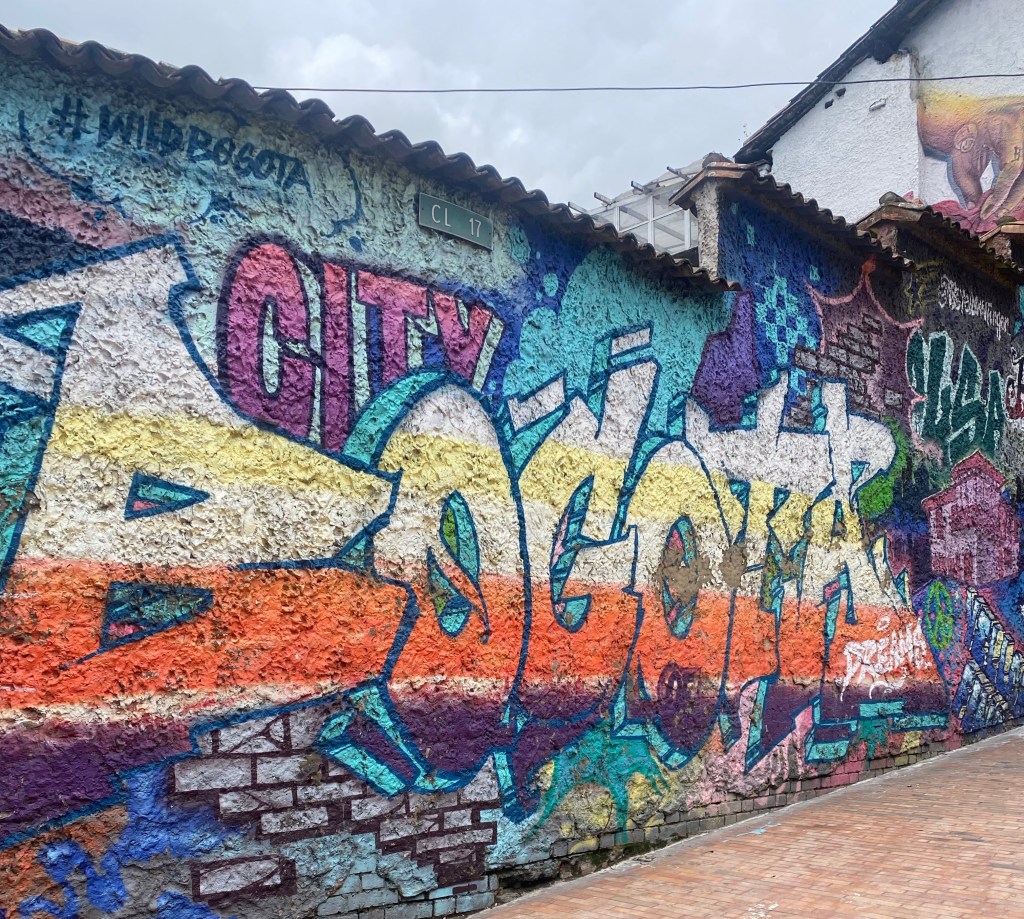
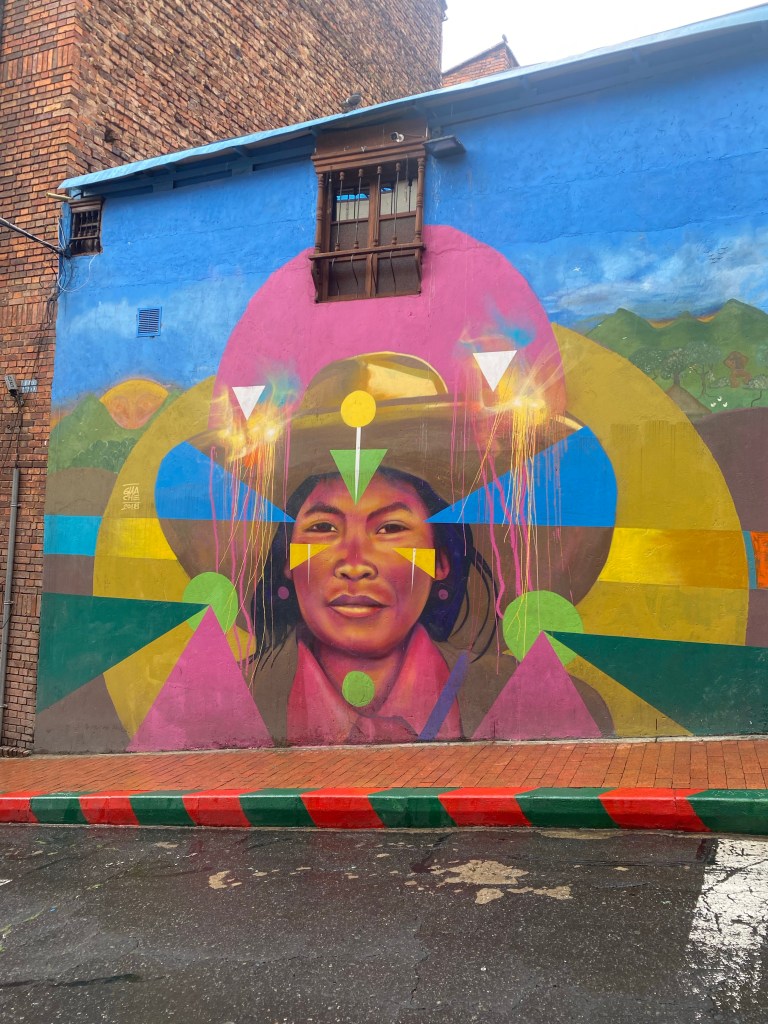
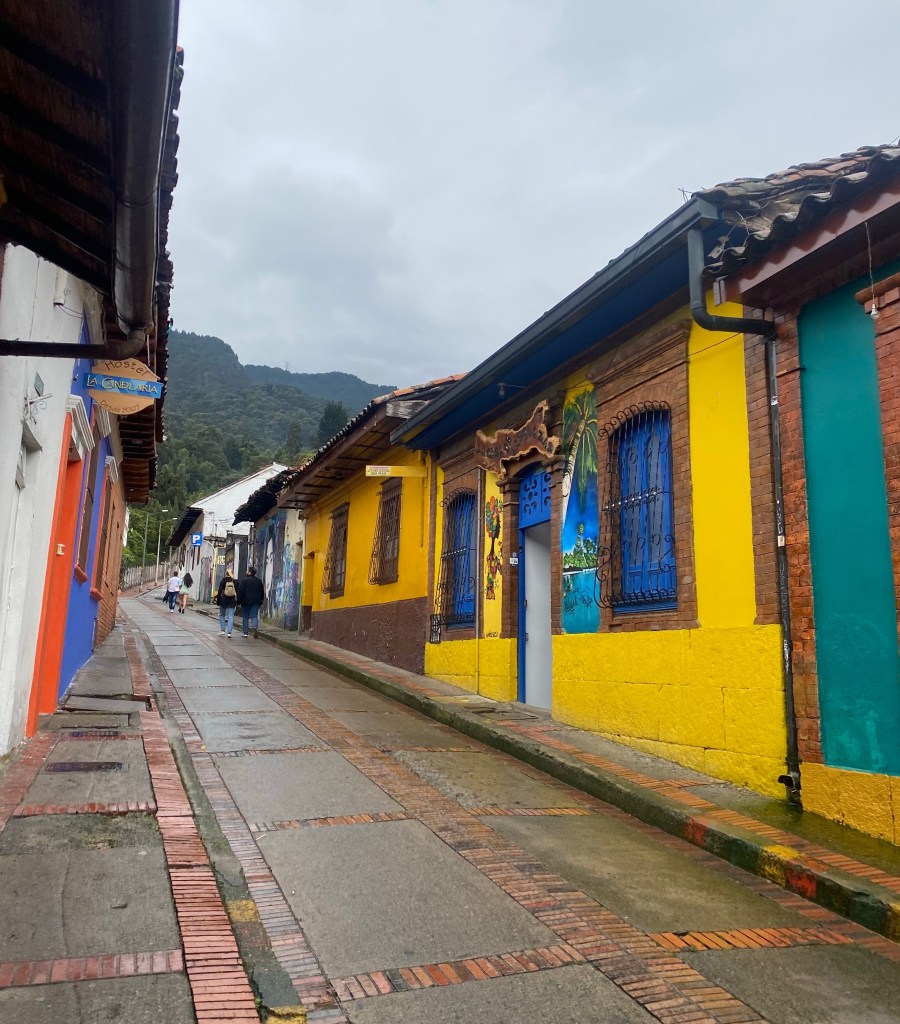
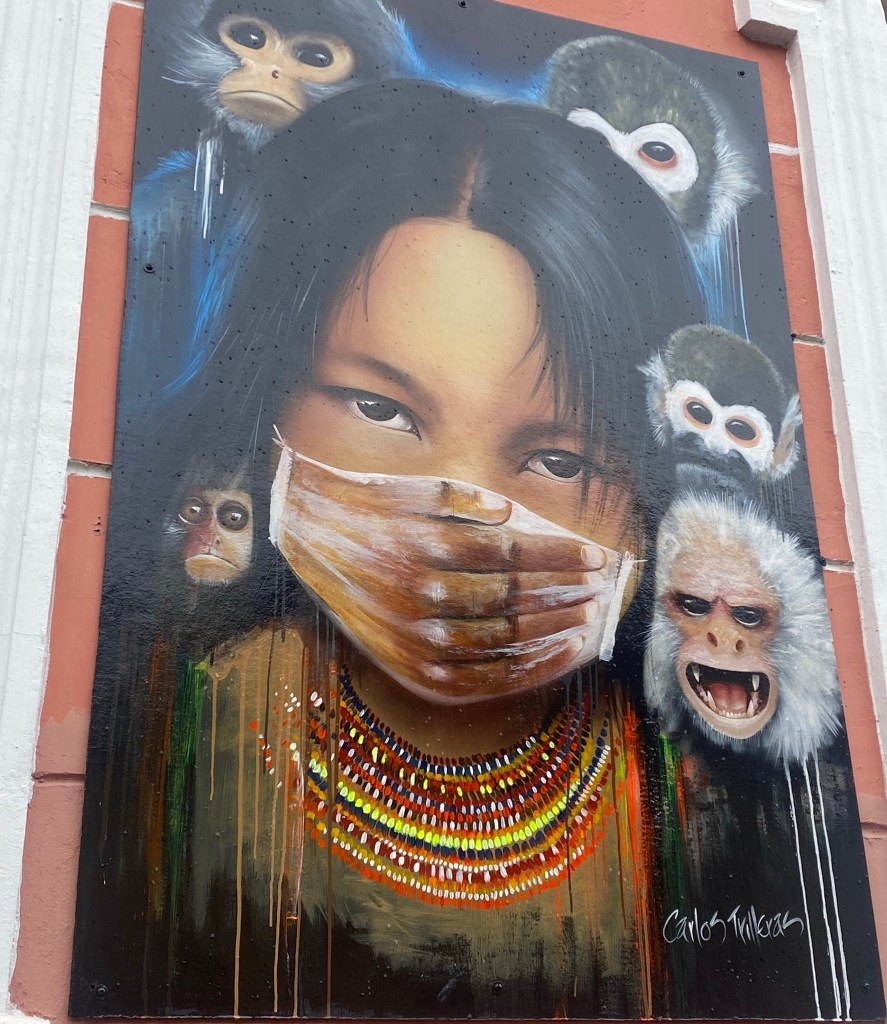
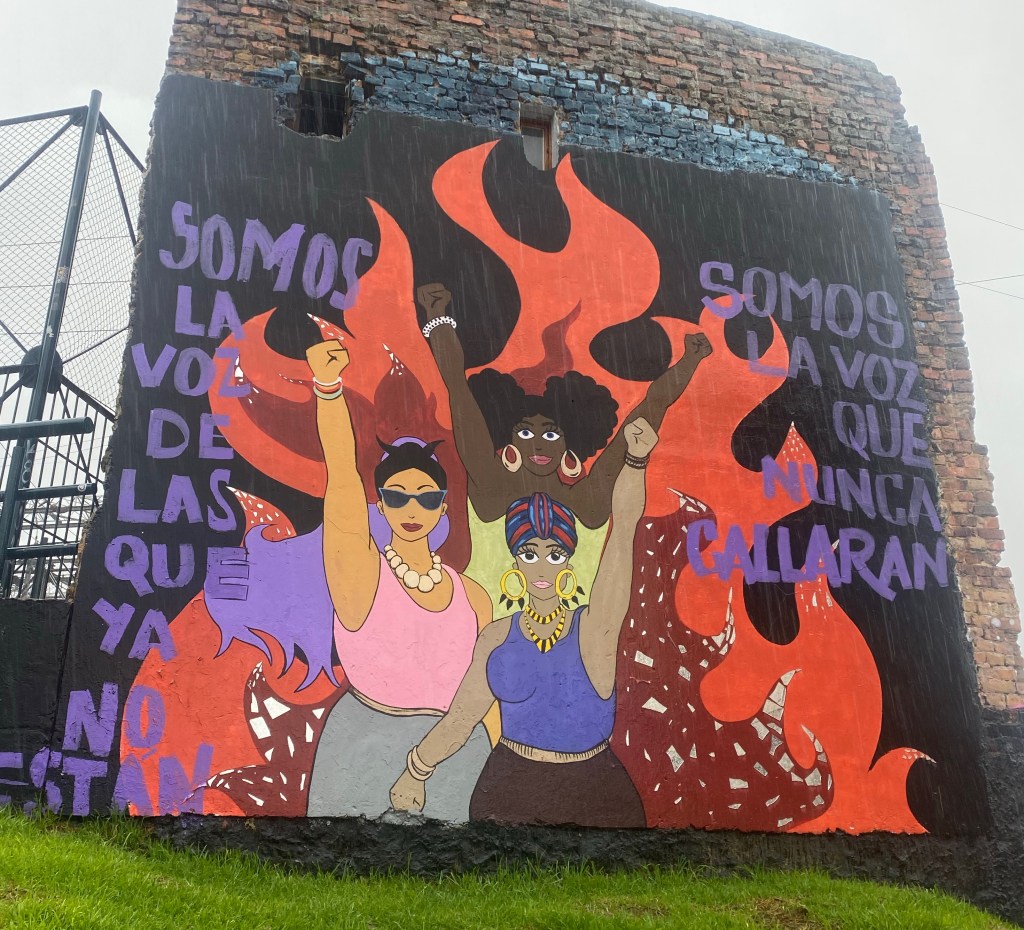
Graffiti and war tours: I stayed in the La Calandria neighbourhood, where the majority of hostels are located, and it is one of the city’s safest areas for tourists. Surrounded by mountains, there are museums, book stores, and gorgeous buildings. I strongly advise you to take one of the city’s many free tours. A friend told me about the app GuruWalk, which can be used everywhere in the world. You type in the city you’re in, and a list of tours appears, most often free with a tip. Often in the hostel, there will be someone to point you in the direction of free tours or other excursions to see the city. I went on a graffiti tour on my first day, which I highly suggest. Since 2011, graffiti has become legal, with a tragic background behind it that I’ll save for when you come on this tour in Bogota yourself! National painters have covered walls all throughout the city with artwork; some of it is attractive, some of it is political, but all of it has a message. The tour was informative and a great way to get to know the city. I was supposed to go on a typical walking or bike trip the next day, but after talking with someone at the hostel about my interest in politics, he suggested I go on the Peace and War tour (again booked using Guruwalk). It was 3 hours long and very educational, perhaps too informative because I learned history from the 1800s to the current day; I found it difficult to focus on so much information, but it was nonetheless insightful, and I believe it is important to learn the history of the places you visit.
Poverty and politics: Due to unfair advantages the government has put in place in Colombia, the unequal distribution of wealth and resources, along with the pandemic means that the poverty rate continues to climb. Tourists may perceive the country as inexpensive, but you will frequently encounter a reality that is far removed from Western society. A tour guide advised me that instead of offering money to the less fortunate, I should give them food or drinks. I was also told that if children ask for money in exchange for showing you graffiti or speaking English with you, don’t give it to them because they might make money and so, leave education. The capitals of most countries, not just in Latin America, but all around the world, are never particularly appealing, yet Bogota has personality. We can only hope that one day there will be justice in this country; elections are scheduled for the summer, and hopefully, they will bring about some positive change and a shift in wealth concentration.
Safety and review: Before arriving in Bogota, friends were worried about my safety because Colombia is renowned for its high crime rate. When I met locals, they all advised me to stay careful, wear my backpack in front of me, and keep my phone hidden. I followed their instructions; I didn’t observe anything suspicious and was unaffected by crime; nonetheless, the locals know better than I do, so stick to their advice. I also avoided going out at night alone because there are fewer police and security officers on the streets, and as a solo female traveller, I didn’t want to risk it, especially since cities can make me feel inferior and uncomfortable. However, I spent four days in Bogota and felt safe within the city. I spent most of my time alone, roaming around the streets and squares, visiting cafes and museums, and, most importantly, participating in tours to learn more about the community. I wouldn’t recommend skipping Bogota if you’re planning a trip to Colombia anytime soon!
 Bevs Backpacking📍
Leave a comment